%2Ffit-in%2F250x250%2Fguide_websites%2F20639%2Fimages%2F1737218128533image-2025-01-19t003516.195.png&w=1920&q=100)
White Catfish Caught in San Antonio TX Guided Fishing Trip
White Catfish Fishing in San Antonio - What to Expect
%2F%2Fusers%2Fb296b3fe-bb14-4a12-8248-83f9c8b34854%2Fimages%2Fwhite-catfish-san-antonio-fishing-2661.jpg&w=1920&q=75)
Guided Fishing Trip by Guide Clendon Taylor in June

Meet your Guide Clendon Taylor
- Premier Guided Fishing Trips San Antonio


Summary
Explore white catfish fishing on a guided fishing trip in San Antonio, TX with experienced guide Clendon Taylor. This Wednesday in June fishing adventure showcases what local anglers can expect when targeting catfish in Texas waters.
Guided Fishing with Clendon Taylor - Rates & Booking
Guide Clendon Taylor of C&C Guide Service provides guided fishing trips in San Antonio on Wednesday, June 3rd. Book your guided fishing experience directly to secure your spot on the water and discuss trip specifics including group size and timing preferences.
Contact C&C Guide Service for current rates and availability. This guided fishing trip puts you on prime San Antonio waters where white catfish are actively feeding throughout the season.
Highlights of Your San Antonio Guided Fishing Trip
San Antonio's waterways offer excellent opportunities for white catfish anglers. These hard-fighting fish provide consistent action and make for rewarding catches that test your skill and patience. Whether you're an experienced angler or improving your technique, this environment delivers real fishing experiences.
The guided approach ensures you're fishing the right spots at the right times. Local knowledge about structure, seasonal patterns, and productive techniques significantly increases your success rate compared to going it alone.
Local Species Insights: White Catfish
White catfish are aggressive bottom feeders known for their strong runs and determined fighting style. In San Antonio waters, they inhabit deeper holes, channel ledges, and areas with structure where they hunt for food. These catfish respond well to live bait and cut bait presentations, making them accessible targets for anglers of varying experience levels.
White catfish typically range from 2 to 5 pounds in local waters, though larger specimens are possible. They're most active during dawn and dusk periods, particularly during warmer months. Their nocturnal nature doesn't prevent daytime fishing, but understanding their behavior patterns helps guide fishing decisions. These fish school in groups, so finding one productive area often means consistent action.
The white catfish's whiskered appearance and whisker-like barbels serve as sensory organs for locating food in murky water. This adaptation makes them effective hunters in San Antonio's various water conditions. Their barbels are sensitive to chemical signals, allowing them to detect bait from considerable distances.
Handling white catfish requires care due to their sharp pectoral and dorsal spines. Guide Clendon Taylor demonstrates proper technique to keep anglers safe while managing fish efficiently. Understanding these fish's nature and behavior enhances respect for the species and improves overall trip satisfaction.
San Antonio's ecosystem supports healthy white catfish populations maintained through proper management. These fish play an important role in the aquatic food chain and provide sustainable recreational opportunities year-round. Local guides like those at C&C Guide Service understand seasonal fluctuations and adjust strategies accordingly.
Fishing in San Antonio: White Catfish
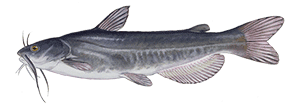
White Catfish Overview
The White Catfish (Ameiurus catus) is a fascinating member of the Ictaluridae family within the order Siluriformes, representing one of the smallest North American catfish species. Known for their distinctive white chin barbels—the whisker-like sensory organs that give them their common name—these bottom feeders are a prized catch for anglers seeking a rewarding coastal river fishing experience. What makes White Catfish particularly interesting is their ability to thrive in both freshwater and brackish tidal waters, making them a unique target species in estuarine environments from Maryland to the Carolinas and beyond. Their preference for sluggish waters and muddy bottoms, combined with their semi-nocturnal feeding habits, has earned them a reputation among anglers as elusive and challenging to catch consistently.
White Catfish Habitat and Distribution
White Catfish show a strong preference for sluggish freshwater bodies including lakes, ponds, streams, and rivers, though they're equally comfortable in reservoirs, drainages, and river backwaters. These fish are particularly notable for their tolerance of brackish and tidal waters, following the behavior of lunar cycles in coastal river systems that flow toward the Atlantic Ocean. They thrive in waters with muddy bottoms where crustaceans and small fish congregate—ideal hunting grounds for a bottom feeder. Water temperature is crucial for this species; they prefer temperate waters around 82 degrees Fahrenheit and can even survive in low-oxygen environments that would challenge other fish species. Despite their preference for freshwater habitats, White Catfish frequently inhabit tidal zones and can tolerate the salinity variations found in coastal river systems, making them increasingly common catches in estuarine areas from the mid-Atlantic states southward.
White Catfish Size and Weight
White Catfish typically range from 13 to 24 inches in length, with most catches weighing between 6 to 9 pounds, though this species is generally considered one of the smaller North American catfish. The average White Catfish encountered by anglers is small enough to hold comfortably in one hand, usually weighing between half a pound to 2 pounds in younger populations. However, exceptional specimens have been documented reaching 10 pounds or more, and these larger fish represent the dream catch for many dedicated anglers who spend countless hours pursuing this elusive species. The sexual maturity of White Catfish occurs at 3 to 4 years of age, and the species can live up to approximately 14 years in optimal conditions, allowing for the development of trophy-sized individuals in well-managed water systems.
White Catfish Diet and Behavior
As bottom feeders, White Catfish primarily consume aquatic insects, small fish, crustaceans, and various aquatic plants found along the substrate of their freshwater and tidal habitats. These fish possess subterminal lips—positioned underneath rather than at the front of their mouth—perfectly adapted for vacuuming up food from muddy bottoms. One of their most remarkable sensory abilities is the capacity to taste through their eight barbels, allowing them to detect food via touch rather than sight alone, which proves invaluable in murky coastal river waters and sediment-laden environments. While they're primarily nocturnal feeders with peak activity occurring at dusk and through the night, White Catfish aren't completely nocturnal and can be successfully caught during morning hours. Their feeding behavior is influenced by lunar cycles in tidal waters, making them more active during certain phases of the moon when tidal currents bring fresh food sources into their feeding zones.
White Catfish Spawning and Seasonal Activity
White Catfish demonstrate particular sensitivity to water temperature during spawning season, with egg-laying occurring when water conditions reach optimal ranges typically in late spring through early summer. Their reproduction strategy involves careful selection of suitable spawning habitat, and they become sexually mature after 3 to 4 years of life. The lunar cycles that govern tidal waters in coastal river systems also influence their reproductive timing and activity patterns. In tidal water environments, White Catfish follow the moon's gravitational pull, which affects water levels and current patterns critical to their spawning success and year-round feeding behavior. Understanding these seasonal and lunar-driven patterns is essential for anglers seeking to maximize their catch rates during peak activity windows.
White Catfish Techniques for Observation and Capture
Bait Casting Method: Bait casting remains one of the most effective techniques for White Catfish, utilizing specialized bait-cast reels positioned directly on the rod rather than mounted to the side like traditional spin reels. This configuration allows anglers to achieve longer casting distances and better control when targeting these fish in coastal river environments. Live bait proves most effective—worms and shrimp are classic choices—though chicken liver and cut bait from smelly fish work exceptionally well since White Catfish rely heavily on their chemosensory abilities to locate food. Cast near muddy bottom areas and structure where these bottom feeders concentrate their foraging activities.
Bottom Fishing Technique: Bottom fishing allows anglers to position bait directly where White Catfish hunt for their food. Rather than letting your bait rest stationary in the sand, allow it to drift slightly along the bottom, creating subtle movement that triggers the fish's sensory detection system. This method works particularly well during dawn and dusk hours when these semi-nocturnal feeders are most active. Focus your efforts in deeper holes within coastal rivers and around channel ledges where White Catfish congregate during tidal movements.
Localized Tip: Around tidal river systems in the mid-Atlantic and Carolinas, timing your fishing trips to coincide with slack tide or the early flood tide often produces excellent results, as these periods concentrate White Catfish in predictable feeding zones. Fish the deeper holes and channel bends where current pushes food directly into their hunting territory.
White Catfish Culinary and Utilization Notes
White Catfish have earned a reputation for providing good eating quality, offering firm, flavorful white meat that takes well to various cooking preparations. Their culinary value makes them an excellent target for anglers interested in both sport fishing and table fare. The meat quality is comparable to larger catfish species, though the smaller average size means you may need several fish to constitute a substantial meal. From a sustainability perspective, White Catfish populations remain stable in most tidal and freshwater systems where they're found, making them an environmentally responsible choice for consumption. Local tradition in coastal communities often features White Catfish in regional cuisine, particularly prepared fried or in fish stews that showcase their mild, delicate flavor profile.
White Catfish Frequently Asked Questions
Q: What is the best bait for catching White Catfish?
A: Live worms and shrimp are ideal choices, but if those aren't available, chicken liver and cut bait from smelly fish work excellently. White Catfish hunt primarily through their chemosensory barbels, so pungent or live baits that release scent into the water are most effective. The key is using bait that allows the fish to detect food through taste and smell rather than sight.
Q: Where can I find White Catfish in coastal river systems?
A: Focus your efforts in sluggish sections of tidal rivers, particularly where muddy bottoms and deeper holes provide ideal bottom-feeding habitat. In coastal river systems from Maryland to the Carolinas, concentrate on channel bends, deeper pools, and areas where tidal currents push food and sediment. Structure such as fallen trees, dock pilings, and channel ledges concentrates White Catfish during both feeding and resting periods.
Q: Is White Catfish good to eat?
A: Yes, White Catfish are considered good eating with firm, mild white meat that responds well to frying, baking, and stewing. The smaller average size means you may need multiple fish for a substantial meal, but they're increasingly popular in regional cuisine throughout the mid-Atlantic and coastal communities. Their sustainability and culinary quality make them an excellent target for anglers interested in fresh table fare.
Q: When is the best time to catch White Catfish?
A: While White Catfish are primarily nocturnal to semi-nocturnal, they can be caught throughout the day with peak activity occurring at dusk and extending through the night. In tidal waters, align your fishing with slack tide or early flood tide periods for the most consistent results. Early morning hours before sunrise also produce good catches when water conditions are calm.
Q: What makes White Catfish different from other catfish species?
A: White Catfish are the smallest North American catfish species and lack the distinctive black blob marking at the base of the dorsal fin found on other catfish. They're unique in their tolerance for tidal and brackish waters, following lunar cycles in coastal river systems. Their white chin barbels, from which they derive their name, are particularly prominent compared to other catfish species.
Q: What techniques work best for White Catfish fishing?
A: Bait casting with live bait and bottom fishing are the most productive methods. Bait casting allows you to cover greater distances in coastal rivers, while bottom fishing positions your bait in the muddy areas where White Catfish naturally forage. Combine these techniques with timing tied to tidal movements and lunar phases for optimal success rates in tidal water environments.